Click image to zoom
Cabbage - Brassica Oleracea Var. Capitata - Agriculture In India
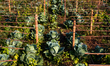
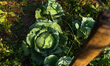
Cabbage (Brassica oleracea var. capitata) is a leafy green, red, or white vegetable from the Brassica oleracea family. It has thick stems and large, floppy leaves that grow close together. The leaves are smooth, round, and slightly notched at the margins. Cabbage thrives in cool, moist climates with temperatures between 15-20?C, which makes places like India ideal for its cultivation. It grows best in light, well-drained, fertile soil with a pH of 5.5-6.5. Light soils are preferable for early crops, while heavy soils are better suited for late crops. The domestication of cabbage is believed to have occurred in ancient Europe before 1000 BC, although it has been used in cuisine since ancient times and is native to Asia Minor and Eastern Europe. Cabbage is low in calories but high in vitamins, minerals, and antioxidants, containing fiber, folate, potassium, magnesium, vitamins A and K, vitamin C, manganese, and phytonutrients. Some studies suggest that cabbage may offer health benefits, including reducing inflammation, supporting heart health, lowering blood pressure, and reducing cholesterol levels. Cabbages were cultivated in the field at Nabin Nagar, West Bengal, India, on 30/11/2023. (Photo by Soumyabrata Roy/NurPhoto)
Photo Details
| Photo ID | #11090248 |
|---|---|
| Date Taken | |
| Location | N/A |
| Photographer | Soumyabrata Roy/NurPhoto |
| Category | Human Interest |
| Copyright | © 2026 NurPhoto - Soumyabrata Roy/NurPhoto |
Related Keywords
Rights-Managed (RM) · Single Editorial Use
License This Image
Configure usage rights. Price adjusts in real time.
One license covers one publication within the parameters you select. Each additional publication (e.g. separate articles, posts, issues) requires its own license. License terms ›
Need custom or commercial rights?
Contact Sales
· [email protected]
2026 NurPhoto. All rights reserved.
This image is the property of NurPhoto and is protected under international copyright laws.
Similar Photos
View All