Click image to zoom
Agriculture In India - Mustard Plants
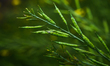
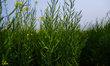
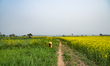
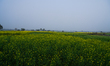
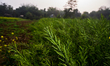
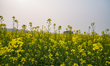
The mustard plant refers to various species within the genera Brassica, Rhamphospermum, and Sinapis in the Brassicaceae family, also known as the mustard family. Its seeds are used to produce mustard oil, while the edible leaves are consumed as mustard greens. Due to their significant health benefits, these plants are consumed in various forms. Mustard is part of the Cruciferae family and is one of the most extensively cultivated crops in India, which is the leading producer of mustard in the world. The major mustard-producing states in India include Rajasthan, Gujarat, Uttar Pradesh, West Bengal, Haryana, Madhya Pradesh, and Assam. Mustard is harvested from February to March during the Rabi season, which begins in September and ends in October. The crop is ready for harvest 90-105 days after sowing, indicated by the pods turning yellow and the seeds hardening. It is advisable to remove the old leaves from mustard plants below 20 to 25 cm when beans start forming. Mustard thrives in cool and dry weather with adequate soil moisture during growth and requires dry and clear conditions at maturity. Mustard plants were cultivated in Kaliganj, West Bengal, India, on January 8, 2024. (Photo by Soumyabrata Roy/NurPhoto)
Photo Details
| Photo ID | #11093238 |
|---|---|
| Date Taken | |
| Location | N/A |
| Photographer | Soumyabrata Roy/NurPhoto |
| Category | Human Interest |
| Copyright | © 2026 NurPhoto - Soumyabrata Roy/NurPhoto |
Related Keywords
mustard plant
Brassica
Rhamphospermum
Sinapis
Brassicaceae family
mustard seeds
mustard oil
mustard greens
health benefits
Cruciferae family
cultivated crops
India
leading producer
Rajasthan
Gujarat
Uttar Pradesh
West Bengal
Haryana
Madhya Pradesh
Assam
Rabi season
harvest
sowing
pods
seeds
old leaves
beans
cool weather
dry weather
soil moisture
maturity
cultivation
Kaliganj
January 8
2024
Soumyabrata Roy
NurPhoto.
Rights-Managed (RM) · Single Editorial Use
License This Image
Configure usage rights. Price adjusts in real time.
One license covers one publication within the parameters you select. Each additional publication (e.g. separate articles, posts, issues) requires its own license. License terms ›
Need custom or commercial rights?
Contact Sales
· [email protected]
2026 NurPhoto. All rights reserved.
This image is the property of NurPhoto and is protected under international copyright laws.
Similar Photos
View All