Click image to zoom
Drinking Water Crisis In Bangladesh
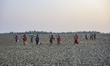
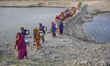
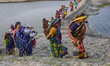
Bangladeshi women are carrying drinking water after collecting it from a fresh-water source, walking a long way to collect drinking water in the coastal area of Khulna, Bangladesh, on April 27, 2024. (Photo by Zabed Hasnain Chowdhury/NurPhoto) According to research from the American Geophysical Union, rising sea levels, which are affecting the availability of clean drinking water, will cause approximately 1.3 million people to migrate across the country by 2050. A combination of tidal flooding, storm surge inundation, and saltwater intrusion is leading to an increase in salinity in the groundwater and fresh-water ponds, causing an acute drinking water crisis in the coastal area of Bangladesh, especially in several areas of Khulna. Drinking water sources are often contaminated or located so far away that hours of travel on foot are required to secure daily water needs in areas often ravaged by storms and flooding. As women from coastal areas are also using saline water for household work, such as washing clothes and cleaning utensils, they are suffering from related skin issues. Women commonly face higher risks and greater burdens from the lack of fresh water, which is linked to climate change.
Photo Details
| Photo ID | #11201244 |
|---|---|
| Date Taken | |
| Location | N/A |
| Photographer | Zabed Hasnain Chowdhury/NurPhoto |
| Category | Weather |
| Copyright | © 2026 NurPhoto - Zabed Hasnain Chowdhury/NurPhoto |
Related Keywords
Bangladeshi women
drinking water
fresh-water source
coastal area
Khulna
Bangladesh
April 27
2024
American Geophysical Union
rising sea levels
climate migration
1.3 million people
tidal flooding
storm surges
saltwater intrusion
groundwater salinity
drinking water crisis
water contamination
travel for water
storms
flooding
saline water
household work
washing clothes
cleaning utensils
skin issues
climate change
higher risks
burdens
Zabed Hasnain Chowdhury
NurPhoto
water scarcity
environmental impact
climate adaptation
public health
waterborne diseases
resource management
sustainable water supply
women's health
coastal communities
climate resilience
disaster preparedness.
Rights-Managed (RM) · Single Editorial Use
License This Image
Configure usage rights. Price adjusts in real time.
One license covers one publication within the parameters you select. Each additional publication (e.g. separate articles, posts, issues) requires its own license. License terms ›
Need custom or commercial rights?
Contact Sales
· [email protected]
2026 NurPhoto. All rights reserved.
This image is the property of NurPhoto and is protected under international copyright laws.
Similar Photos
View All