Click image to zoom
Mosquito Larvae Sampling
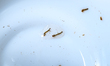
Mosquito larvae, commonly known as ''wrigglers,'' are aquatic and characterized by a large head, a broad thorax, and a narrow, wormlike abdomen. They typically hang just below the water's surface, breathing air through tubes located at the end of their abdomen. The nutrients acquired during the larval stage are crucial for the mosquito's development into an adult. Larvae possess a specialized organ called a siphon, which they use to breathe air at the water's surface. They feed on organic matter found in standing water, such as that in unused fountains, buckets, paint cans, and rain barrels. Mosquitoes are vectors for numerous diseases, including dengue, malaria, chikungunya, Zika, West Nile virus, La Crosse virus, Japanese encephalitis virus, and yellow fever. According to the World Health Organization (WHO), vector-borne diseases account for more than 17% of all infectious diseases, causing over 700,000 deaths annually. Mosquito larvae sampling is currently underway in Tehatta, West Bengal, India, as of 15/09/2024. (Photo by Soumyabrata Roy/NurPhoto)
Photo Details
| Photo ID | #11575454 |
|---|---|
| Date Taken | |
| Location | N/A |
| Photographer | Soumyabrata Roy/NurPhoto |
| Category | Human Interest |
| Copyright | © 2026 NurPhoto - Soumyabrata Roy/NurPhoto |
Related Keywords
Mosquito larvae
wrigglers
aquatic
large head
broad thorax
narrow abdomen
water surface
breathing tubes
larval stage
adult development
siphon
organic matter
standing water
unused fountains
buckets
paint cans
rain barrels
vectors
diseases
dengue
malaria
chikungunya
Zika
West Nile virus
La Crosse virus
Japanese encephalitis virus
yellow fever
World Health Organization
WHO
vector-borne diseases
infectious diseases
700
000 deaths
annually
mosquito larvae sampling
Tehatta
West Bengal
India.
2026 NurPhoto. All rights reserved.
This image is the property of NurPhoto and is protected under international copyright laws.
Similar Photos
View All