Click image to zoom
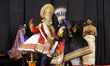
Indian Performers Stage Kathakali Dance In Nepal On 79th Independence Day Of India
Indian artists led by N. Ramankutty perform Kathakali, a traditional dance performed especially in the Indian state of Kerala, in Lalitpur, Nepal, on August 15, 2025, on the occasion of the 79th Independence Day of India. Kathakali, as a dance form popular today, evolves from many social and religious theatrical forms that existed in the southern region of India in ancient times. Kathakali is a blend of dance, music, and acting and dramatizes stories, which are mostly adapted from the Indian epics. It is a stylized art form where the four aspects of abhinaya--angika, aharya, vachika, satvika--and the nritta, nritya, and natya aspects are combined perfectly. The dancer expresses themselves through codified hasta-mudras and facial expressions, closely following the verses that are sung. Kathakali derives its textual sanction from Balarama Bharatam and Hastalakshana Deepika. Kathakali is a visual art where aharya, costume, and make-up are suited to the characters, as per the tenets laid down in the Natya Shastra. The characters are grouped under certain clearly defined types like the pacha, kathi, thadi, kari, or minukku. The face of the artist is painted to appear as though a mask is worn. The lips, eyelashes, and eyebrows are made to look prominent. A mixture of rice paste and lime is applied to make the chutti on the face, which highlights the facial make-up. Kathakali dance is chiefly interpretative. The characters in a Kathakali performance are broadly divided into satvika, rajasika, and tamasika types. Satvika characters are noble, heroic, generous, and refined. In pacha, green color dominates, and kirita (headgear) is worn by all. Krishna and Rama wear special crowns decorated with peacock feathers. The noble characters like Indra, Arjun, and the Devas are some of the pacha characters. The kathi type depicts anti-heroes. Though they are of the rajasika category, they are sometimes great warriors and scholars such as Ravana, Kamsa, and Sisupala, to name a few.
Photo Details
| Photo ID | #12646501 |
|---|---|
| Date Taken | |
| Location | N/A |
| Photographer | Subaas Shrestha/NurPhoto |
| Category | Human Interest |
| Copyright | © 2026 NurPhoto - Subaas Shrestha/NurPhoto |
Related Keywords
Indian artists
N. Ramankutty
Kathakali
traditional dance
Kerala
Lalitpur
Nepal
79th Independence Day
India
15 August 2025
dance form
social forms
religious forms
southern India
ancient times
blend of dance
music
acting
dramatizes stories
Indian epics
stylized art
abhinaya
angika
aharya
vachika
satvika
nritta
nritya
natya
hasta-mudras
facial expressions
Balarama Bharatam
Hastalakshana Deepika
visual art
costume
make-up
Natya Shastra
pacha
kathi
thadi
kari
minukku
mask
rice paste
lime
chutti
interpretative
satvika
rajasika
tamasika
noble characters
heroic
generous
refined
green colour
kirita
headgear
Krishna
Rama
peacock feathers
Indra
Arjun
Devas
anti-heroes
great warriors
scholars
Ravana
Kamsa
Sisupala.
Rights-Managed (RM) · Single Editorial Use
License This Image
Configure usage rights. Price adjusts in real time.
One license covers one publication within the parameters you select. Each additional publication (e.g. separate articles, posts, issues) requires its own license. License terms ›
Need custom or commercial rights?
Contact Sales
· [email protected]
2026 NurPhoto. All rights reserved.
This image is the property of NurPhoto and is protected under international copyright laws.
Similar Photos
View All