Editorial photo #12871970 Environmental Issue
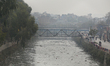
Air Pollution: Layer Of Smog Starts To Envelop Kathmandu With Onset Of Winter
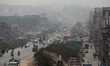
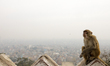
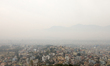
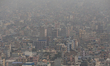
A portion of Kathmandu, Nepal, is covered by a thin layer of smog that shrouds the atmosphere of the bowl-shaped Kathmandu Valley on October 17, 2025, with the Air Quality Index measuring above 100. The average readings of Kathmandu's pollution exceed the annual average concentrations of PM2.5 of 5 ug/m3, while 24-hour average exposures should not exceed 15 ug/m3 more than 3-4 days per year, as prescribed by the World Health Organization. PM2.5 refers to particulate matter (solid or liquid droplets) in the air less than 2.5 micrometres in diameter. It is among the most dangerous pollutants that can get past the nose and throat to penetrate the lungs and even the bloodstream. PM2.5 particles are small and are also likely to stay suspended in the air for long, increasing the chances of people inhaling them. According to Nepal's Environmental Protection Agency's air quality index, an air quality reading of 151-200 is considered unhealthy, causing everyone to experience problems and sensitive groups to feel more severe effects. When air quality reaches 201-300, it is considered a very unhealthy level, and health risks increase for everyone in the area. When it crosses 300, it becomes hazardous, meaning that the air is of extremely poor quality and poses serious health risks to everyone. (Photo by Subaas Shrestha/NurPhoto)