Editorial photo #13688940 Economy, Business and Finance
Indian Kashmir’s Pottery Economy
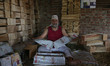
Abdul Salam Kumar, a Kashmiri Muslim potter, works clay to make a Tumbaknari, also known as Tumbaknaer, a traditional Kashmiri musical drum, at his workshop on the outskirts of Srinagar, Jammu and Kashmir, on May 10, 2026. The traditional pottery craft in Kashmir faces challenges due to changing lifestyles, declining demand, and the rise of machine-made products, affecting the livelihood of local artisans. Despite these challenges, some families continue to preserve the centuries-old craft, passing their skills from one generation to the next. In Kashmiri weddings, traditional music holds cultural significance, with the Tumbaknari playing a central role in expressing emotions of joy and love. Commonly used during weddings by women, the Tumbaknari has roots traced back to Central Asia but has been cherished in Kashmir for centuries. The locally made Tumbaknari mainly consists of clay, with animal skin used at its bottom to produce a sound that complements vocals. (Photo by Firdous Nazir/NurPhoto)