Click image to zoom
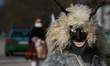
Poklade / Buso festivities from Mohacs, Hungary
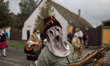
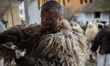
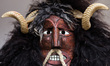
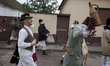
The Busó festivities at Mohács in southern Hungary are a six-day carnival in late February to mark the end of winter. The Busós are dressed in scary-looking costumes (traditionally men) wearing wooden masks and big woolly cloaks. The festival is multifaceted, including a children's costume contest, a display of the art of mask carvers and other craftspeople, the arrival of more than 500 busós in rowboats on the Danube for a march through the city alongside horse-drawn or motorized fantasy vehicles, the burning of a coffin symbolizing winter on a bonfire in the central square, and feasts and music throughout the city. The tradition originated with the Croatian minority in Mohács, but today the busó is a general emblem of the city and a commemoration of the great events of its history. More than a social event, the carnival is an expression of belonging to a city, a social group and a nation. It plays an important social role by offering a chance for self-expression in a communal setting. The arts underlying the festivities are preserved by self-organized groups of busós of all cultural backgrounds, many of whom pass on the techniques of mask carving and ritual celebration to younger generations. IN PHOTO: Two jankeles in traditional masks atre walking in the streets. Jankeles traditionally accompany busó groups. Their responsibility is to scare the kids and adults who try to harass the busós. They also tend to act like clowns sometimes and entertain the group. (Photo by Zsolt Repasy/NurPhoto)
Photo Details
| Photo ID | #48982 |
|---|---|
| Date Taken | |
| Location | N/A |
| Photographer | Zsolt Repasy/NurPhoto |
| Category | N/A |
| Copyright | © 2026 NurPhoto - Zsolt Repasy/NurPhoto |
Related Keywords
2026 NurPhoto. All rights reserved.
This image is the property of NurPhoto and is protected under international copyright laws.
Similar Photos
View All