Click image to zoom
Ammonite Fossil
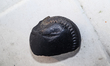
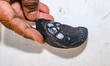
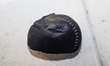
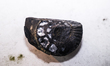
Ammonites Are The Fossils Of Shelled Cephalopods That Lived Around 225-65 Million Years Ago. They Are Often Found In Large Concentrations And Are Common In The Rock Strata Of The Mesozoic Era. The Ammonites Became Extinct At The End Of The Cretaceous, At Roughly The Same Time As The Dinosaurs Disappeared. The Name ''ammonite'' Comes From The Fossil's Resemblance To The Horn Of Jupiter Ammon. In The Hindu Religion, This Fossilized Stone Or Ammonite Is Known As ''shaligram, Or Shaligrama Shila'' Which Is Collected From The Himalayan Riverbed Or Banks Of The Kali Gandaki, A Tributary Of The Gandaki River In Nepal. It Is Also Considered A Form Of Vishnu Within Hinduism. An Ammonite Fossil Brought From Nepal Was Photographed In Tehatta, West Bengal; India On 14/12/2023. (Photo by Soumyabrata Roy/NurPhoto)
Photo Details
| Photo ID | #10852823 |
|---|---|
| Date Taken | |
| Location | N/A |
| Photographer | Soumyabrata Roy/NurPhoto |
| Category | Human Interest |
| Copyright | © 2026 NurPhoto - Soumyabrata Roy/NurPhoto |
Related Keywords
Ammonites
Fossils
Shelled Cephalopods
225 Million Years Ago
65 Million Years Ago
Rock Strata
Mesozoic Era
Extinct
Cretaceous
Dinosaurs
Jupiter Ammon
Hindu Religion
Shaligram
Shaligrama Shila
Himalayan Riverbed
Kali Gandaki
Gandaki River
Nepal
Vishnu
Hinduism
Fossilized Stone
Tehatta
West Bengal
India
Soumyabrata Roy
NurPhoto
Concentrations
Common
Resemblance
Tributary
Collected
Photographed
14/12/2023.
Rights-Managed (RM) · Single Editorial Use
License This Image
Configure usage rights. Price adjusts in real time.
One license covers one publication within the parameters you select. Each additional publication (e.g. separate articles, posts, issues) requires its own license. License terms ›
Need custom or commercial rights?
Contact Sales
· [email protected]
2026 NurPhoto. All rights reserved.
This image is the property of NurPhoto and is protected under international copyright laws.
Similar Photos
View All