Click image to zoom
Agriculture In India - Pea - Pisum Sativum
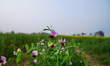
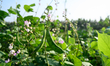
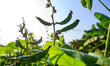
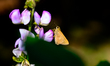
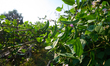
The pea, or green pea (Pisum sativum), belongs to the Fabaceae family and is one of the major food legumes in the world. It ranks fourth in legume production worldwide after soybean, peanut, and dry bean. Some people also refer to green peas as garden peas, while terms like sweet peas, honey peas, or sugar peas are less accurate; ''sweet pea'' often refers to a completely different type of plant mainly ornamental. Scientifically, the pea plant is a significant member of the plant kingdom. This plant was utilized by Gregor Mendel, the father of genetics, to develop the foundational concepts of inheritance. Green peas are an important part of the diet due to their content of carbohydrates, proteins, vitamins (including vitamin A and vitamin K), minerals, fiber, and other beneficial nutrients. Green peas are now grown worldwide for both human and animal consumption. However, these peas originally came from Southwestern Asian countries like India, Afghanistan, and Pakistan. Green peas are cultivated in fields and produce beautiful pink-purple flowers that bloom in the afternoon in Kaliganj, West Bengal, India, on January 8, 2024. (Photo by Soumyabrata Roy/NurPhoto)
Photo Details
| Photo ID | #11086761 |
|---|---|
| Date Taken | |
| Location | N/A |
| Photographer | Soumyabrata Roy/NurPhoto |
| Category | Human Interest |
| Copyright | © 2026 NurPhoto - Soumyabrata Roy/NurPhoto |
Related Keywords
pea
green pea
Pisum sativum
Fabaceae family
food legumes
legume production
soybean
peanut
dry bean
garden peas
sweet peas
honey peas
sugar peas
ornamental plants
plant kingdom
Gregor Mendel
genetics
inheritance
carbohydrates
proteins
vitamins
vitamin A
vitamin K
minerals
fiber
nutrients
human consumption
animal consumption
Southwestern Asia
India
Afghanistan
Pakistan
cultivation
fields
pink-purple flowers
bloom
Kaliganj
West Bengal
afternoon
January 8
2024
Soumyabrata Roy
NurPhoto.
Rights-Managed (RM) · Single Editorial Use
License This Image
Configure usage rights. Price adjusts in real time.
One license covers one publication within the parameters you select. Each additional publication (e.g. separate articles, posts, issues) requires its own license. License terms ›
Need custom or commercial rights?
Contact Sales
· [email protected]
2026 NurPhoto. All rights reserved.
This image is the property of NurPhoto and is protected under international copyright laws.
Similar Photos
View All